Money & Practical Finance
Simple Methods to Track Your Monthly Expenses
Learn simple, effective ways to track expenses monthly and create better money habits. Organize finances, build confidence, and achieve your financial goals with practical tips you can use today.
Advertisement
Trying to stay on top of monthly spending doesn’t have to be a constant struggle. If you track expenses monthly, your path toward smarter finances feels much clearer.
People who pay attention to where their dollars go tend to feel more in control. When spending matches intentions, there’s far less stress—freeing you up for bigger goals or even a bit of fun.
You can transform the way you track expenses monthly by practicing just a handful of simple, useful habits. Let’s walk through strategies you’ll actually want to use.
Start Strong by Collecting Accurate Expense Details
Capturing real numbers right from the start helps you track expenses monthly without guesswork. Reliable records put you firmly in control from the very first week.
It’s tempting to estimate, but precise tracking gives a clearer picture. This rule sets a strong foundation, making the rest of the process smoother and more honest.
Save Receipts as Anchors
Every purchase, big or small, comes with a receipt or email confirmation. Toss them into a dedicated folder or snap a photo right away to avoid forgetting.
Later on, sort these receipts—digital or paper—each week. If you skip this step, reconciling totals turns into guesswork instead of real tracking.
This quick habit makes it easier to actually see what you bought, so when you begin to track expenses monthly, you don’t lose sight of any details.
Use a Physical or Digital Logbook
A blank notebook tucked into your bag or a spreadsheet saved on your device—both work well. Jot purchases down right after spending.
Mark each entry with the date and what you bought. If you forget, retrace your steps using your receipts or review your bank statement to fill gaps.
This running log means you have hard data each time you sit down to organize or track expenses monthly. It’s a concrete habit with real results.
| Method | Ease of Use | Best For | Next Step |
|---|---|---|---|
| Paper Receipts | Simple | Small Purchases | Store in an envelope, tally weekly |
| Notebook | Moderate | Detailed Records | Write after each buy, review monthly |
| Spreadsheets | Easy once set up | Totals & Categories | Update weekly, use formulas |
| Email Confirmations | Very Simple | Online Spending | Filter inbox, copy key info |
| Bank Statements | Automatic | Card Purchases | Download monthly, mark unusual items |
Break Spending Down Into Realistic Categories
Splitting your expenses by category slashes confusion. When you track expenses monthly this way, you’ll spot trends and easy places to cut back.
This step is worth repeating: Define which categories matter most to your real life, not just what a template says.
Tailor Categories to Fit Your Lifestyle
Instead of generic buckets, get specific: “Morning coffee stops,” “Streaming subscriptions,” or “Gym fees”. Choose categories that reflect your daily and monthly spending honestly.
If you live with roommates, create shared and personal categories to avoid confusion over who pays for which groceries or streaming accounts. Transparency helps everyone.
- List every expense you remember from the past month, then sort them into natural groups. This shows what’s under your control and what’s fixed.
- Use your calendar as a prompt—look for events or recurring dates (birthdays, anniversaries) that trigger extra spending. Spotting these helps you plan.
- Give each category a clear, everyday name. If “Takeout Fridays” is a real part of your month, name it as such. The goal is to see your money’s path.
- Keep each category small enough to be meaningful. If “Home” feels too broad, divide it further into “Repairs,” “Decor,” and “Utilities.”
- Review categories every three months. As routines change, update the list so it keeps working—tracking expenses monthly stays relevant.
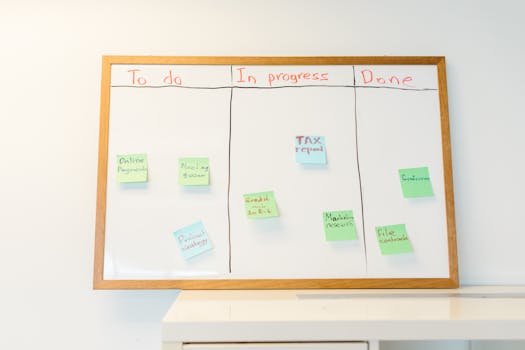
Now try this quick script: Name three categories for your next month (like “Lunches out,” “Subscriptions,” and “Gas”). Write them on a sticky note to guide daily choices.
Spot Where Spending Surprises Happen
Review last month’s records and highlight each expense that felt like a surprise. Mark these in bright colors—they’re the ones most likely to repeat if ignored.
After the highlight, review alongside your categories. Decide if each surprise deserves its own group or fits a pattern with others you’ve already listed.
- Flag all surprise spending—gifts, repairs, or late-night takeout. This creates a “wild card” category for your next round of tracking, so surprises don’t mess up totals.
- Write down how each surprise felt. Was it necessary, spontaneous, or entirely avoidable? Honest notes now make future tracking and planning easier.
- Add a sticky note or digital highlight to this “wild card” group. Update it every time a new surprise pops up. Taming these keeps totals more accurate each month.
- Discuss recurring surprises with anyone you share costs with. Honest talks mean fewer mix-ups and more control when you track expenses monthly together.
- Build a habit of setting aside a small, flexible buffer—label it “miscellaneous” or “just in case”—so surprises don’t derail your budget next time.
Spending should match your everyday reality, not just your ideals. Name, track, and tally surprises so your categories always reflect the full financial picture.
Set a Weekly Habit for Logging Every Expense
Committing to a weekly routine ensures you track expenses monthly with accuracy. It transforms what feels like a chore into a manageable, low-stress task.
Choose one recurring day—like Saturday morning or Sunday evening—to spend fifteen minutes updating your expense records each week. Make it an appointment on your calendar.
Batch Logging: Bring It All Together
When your reminder goes off, gather your receipts, digital notes, and banking app. Sit at a table, silence your phone, and log each purchase from the week.
This process gives you time to catch errors or spot forgotten expenses while memories are still fresh. If you skip a week, regroup next time—missing once isn’t failure.
Your future self benefits: These consistent, short sessions mean you never get buried under a whole month’s worth of untracked numbers again.
Make the Routine Enjoyable
Pair this habit with an activity you enjoy—a favorite playlist, an iced coffee, or a snack. Rewarding the routine keeps you coming back every week.
Visual cues help: Leave your notebook open next to your phone, or pin your tracking spreadsheet to your computer’s main screen.
Invite a family member or partner to compare notes once a month. Sharing the routine adds accountability and sometimes extra insight into mutual spending patterns.
Summarize Your Monthly Data for Real Insight
At month’s end, compile your data into a single page, spreadsheet, or list. This concrete step brings the big picture into focus and reveals patterns worth acting on.
When you track expenses monthly and review summaries, you’ll understand where spending flows seamlessly and where it leaks. Summaries guide realistic changes, not guesses.
Spot Patterns Without Judgement
Look at each category’s total and note any jumps or drops. Patterns develop quickly—maybe “Dining Out” grows each weekend, or “Fitness” drops in winter.
Write observations in a few sentences. Instead of criticizing, just describe. For example: “Spent less on transport in May after getting a bike.”
This honest summary makes future adjustments feel like improvements, not punishments. It’s a gentle nudge to redirect next month’s spending as needed.
Use Analogies for Quick Understanding
Think of your monthly summary like looking under the hood of a car before a trip. It’s not about blame but ensuring things run smoothly and prevent breakdowns.
Each category is like a dashboard gauge—if one spends out of control, you get an early warning. Adjustments today avoid bigger issues down the road.
Copy this process each month, and soon tracking expenses monthly becomes second nature—simple, automatic, and always clear.
Turn Monthly Tracking Into Future Planning
Once you track expenses monthly, use those numbers to predict and plan next month’s priorities. This is where lasting financial improvement begins to take shape.
Studying past months highlights the real cost of goals or habits. Instead of hoping there’s money left, you set a realistic plan for what matters next.
Set Simple, Achievable Spending Goals
Choose one or two categories you’d like to trim or grow next month. Keep goals small—“spend fifty dollars less on takeout” or “save twenty for a new hobby.”
Write your goal at the top of your expense log or calendar. This reminder shapes daily choices without feeling restrictive or overwhelming.
Check progress at each weekly session. If the goal needs tweaking, adjust the number or approach, not the intent. Celebrate tiny wins as momentum builds.
React When Patterns Shift
If you notice a category’s total rising for two months running, react early. Say, “I’ll skip one streaming service this month” or “switch from taxis to transit.”
Rewards help: Put saved money aside in a jar as a visible reminder. Watch it grow month by month, reinforcing the habit to track expenses monthly.
If income changes, update plans promptly. Flexibility keeps tracking useful through every season—raise or recession, new job or unexpected costs.
Keep Motivation High by Making Tracking Social
When you track expenses monthly with a partner, friend, or family member, accountability jumps. Sharing discoveries or goals makes the process more rewarding and fun.
People who talk about financial goals together tend to stick to routines. They trade stories, share tricks for saving, and cheer each other on after tiny wins.
- Invite a friend to start tracking the same month. Swap takeout receipts or compare grocery lists. Friendly competition encourages follow-through.
- Join or start a group with a money focus—online or offline. Quick check-ins keep you engaged and inspired to improve next month’s numbers.
- Discuss any category where you struggle. Others’ advice or encouragement helps you tackle sticking points faster than doing it alone.
- Share a monthly progress chart in a family group chat. Seeing goals and results side-by-side keeps everyone invested in staying on track.
- Use analogies to spark conversations—”this month’s grocery bill was like driving with the gas pedal taped down—time to ease off next month!”
If you ever lose motivation, revisiting your own reasons for tracking expenses monthly—security, savings, or peace of mind—puts things in perspective, helping restart the routine.
Reflect, Adjust, and Make Tracking Part of Everyday Life
Stepping back each quarter allows you to notice larger trends and adjust your tracking approach. Even minor tweaks can lead to better results year after year.
Think of quarterly reviews as a financial checkup—are your current categories, routines, and tools still working for your real life, or is it time for fresh tweaks?
Try a New Category When Needed
Maybe you started tracking a vacation fund but now want to watch home improvement costs. Add or swap categories as your life and priorities shift through the year.
If you feel overwhelmed, reduce category count. Focus on areas with the greatest impact, not perfection. The goal is to keep tracking expenses monthly simple, never stressful.
Use your summary to start conversations—ask, “Is this habit helping or causing friction?” Course correct as needed without guilt. Improvement comes from action, not criticism.
Adjust Tools or Processes for Growth
If you found writing by hand tedious, consider a simple app or spreadsheet. On the other hand, moving back to pen and paper may feel more real or rewarding for some people.
Invite feedback from anyone you share expenses with. Ask which routines work and which never stick. Collaboration uncovers solutions you may not see alone.
If you notice dropped habits, try linking tracking to another routine—a weekly grocery run, calendar reminder, or financial reward. Make tracking expenses monthly as natural as brushing your teeth.
Move Forward Confidently With Simple Expense Tracking
Recognizing every dollar you spend brings more freedom to your finances. Following these strategies to track expenses monthly can feel straightforward and deeply rewarding over time.
Every check-in, weekly and monthly, makes it easier to spot wins or adjust for setbacks. Monthly tracking isn’t a burden—it’s the starting point for better decisions and less stress.
Keep tinkering until your tracking fits smoothly with your daily routine. The power comes from consistency, not complexity—helping you meet goals confidently and enjoy the journey at your own pace.