Money & Practical Finance
Tips to Manage Personal Finances More Efficiently
Unlock easy and actionable personal finance tips to manage money, control expenses, and build effective habits. Learn routines and real-life strategies for financial stability and peace of mind.
Advertisement
Tips to Manage Personal Finances More Efficiently
Getting control over money can feel overwhelming, but making one small change at a time helps. These personal finance tips shift habits and boost peace of mind.
Understanding how and why we handle money this way matters for everything from paying bills on time to feeling stable day-to-day. Practical advice will help many Americans feel more in control.
Keep reading for personal finance tips that make your decisions easier, your progress visible, and your money habits far more effective. Let’s put new knowledge into practice this week.
Set Up a Clear System for Each Dollar in Your Life
Assigning every dollar a purpose stops money from slipping away. This structure lets you see progress and prioritize what truly matters over impulse spending.
Building a plan doesn’t have to mean using spreadsheets. Jot categories and amounts by hand, or use envelopes, to separate cash for needs, wants, and future goals.
Create Simple Budget Categories That Make Sense
Break down your spending into essentials, wants, savings, and debt payments. This may look like: rent, groceries, eating out, personal treats, retirement, and loan payments.
Pick categories narrow enough to notice trends but broad enough to avoid micromanaging. If you write, ‘utilities’, you’ll spot recurring energy spikes instead of dozens of tiny charges.
Try this for a month using sticky notes or a notepad. Adjust your categories if you find some overlap, aiming for balance without confusion.
Prioritize Your Needs by Setting Fixed Allocations
Assign realistic amounts to ‘essentials’ first, such as rent, basic food, and transport. If funds are tight, cap ‘wants’ such as subscriptions or specialty coffees.
Once your essentials are covered, allocate for savings—even small amounts add up quickly. This personal finance tip ensures you accomplish more without dropping what matters.
Write allocations down and keep them visible near your workspace or wallet. If you’re tempted, remind yourself which category is truly worth a withdrawal today.
| Category | Example Item | Target Monthly $ | What to Do Next |
|---|---|---|---|
| Essentials | Rent/mortgage | $900 | Automate payment each payday |
| Groceries | Weekly meals | $350 | Pre-plan meals, shop with a list |
| Wants | Dining out | $60 | Pre-set cash limit in wallet |
| Savings | Emergency fund | $120 | Auto-transfer to a savings account on payday |
| Debt | Credit card | $100 | Pay at least the minimum, top up if possible |
Use Action Steps to Adapt Monthly Spending to Fit Your Life
Adjusting your spending plan monthly keeps your money decisions aligned with real changes, like seasonal expenses or a new work schedule. Flexibility lets you improve instead of feeling stuck.
Personal finance tips say: don’t treat a budget as set in stone. Treat it as a living tool that adjusts as your reality changes, such as with new health costs or hobbies.
Review and Revise After Each Month End
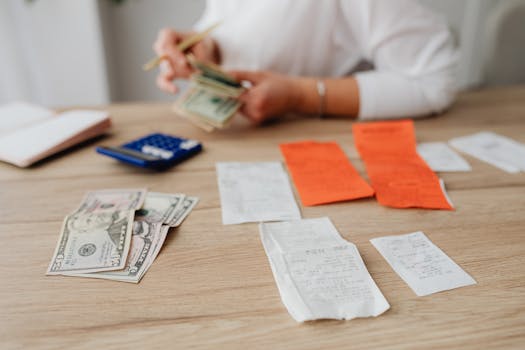
Mark the calendar for the first Saturday after payday. Sit with your bank statements and receipts open—phone, paper, or both. Check which predictions missed the mark.
Look for consistent surprises—like an online subscription you forgot. Cross off expenses you no longer need, and add new ones that now matter more, such as a gym class or pet care.
- Pull the last month’s bank statements, highlight every expense; identifying patterns helps you course-correct with confidence rather than guesswork or stress.
- Record your key findings in writing—a physical notebook or digital doc ensures lessons stick and you’ll spot trends faster, building good habits.
- Choose one spending category each time as your ‘focus’ for improvement, so you don’t get overwhelmed or discouraged trying to fix everything at once.
- Test one specific tweak at a time; for example, ‘no online orders for 2 weeks’ is easier to track and assess than vague promises to ‘cut back’ somewhere.
- Share a spending win or lesson with someone you trust. This accountability boosts motivation, plus turns abstract money goals into real-life actions.
By following these personal finance tips, you’ll notice small course corrections add up quickly, improving financial well-being within a season.
Translate Income Changes Into New Habits Right Away
If your pay bumps up or drops, update your budget immediately. Don’t wait to adjust, or you’ll end up overspending or feeling pinched.
List your fixed and flexible expenses again, then set aside windfalls—like bonuses—to cover irregular costs, like car registration or back-to-school supplies.
- Direct every raise or bonus into a dedicated savings account as soon as possible to avoid unplanned spending that can sabotage progress from higher income.
- Lower recurring bills the moment your income decreases—call providers, downgrade unnecessary services, or cancel memberships until things stabilize again.
- Revisit your meal plans and transportation—for example, swap lunch out for a prepared meal or group rides to save instantly without sacrificing routine.
- Allocate extra money first to high-interest debt, accelerating repayment and reducing costs over the long term, rather than letting money sit unused.
- Make it visible—track the left-over difference from each pay adjustment and celebrate each round of successful tweaks, reinforcing healthy financial habits naturally.
Adapting every time your income shifts is a key personal finance tip experts highlight for long-term stability and stress reduction.
Stay on Top of Expenses With Daily and Weekly Routines
Keeping track daily is the quickest way to prevent small leaks from sinking your budget. Checking a receipt or logging a purchase every night creates strong habits over time.
With personal finance tips like this, you’ll spot routine overspending before it grows. A quick review before bed or over coffee makes the process routine and low-pressure.
Pair Tracking With Daily Habits You Already Have
Combine money tracking with a nightly phone check or your morning planner routine. When paying a bill, jot it down while scanning your phone notifications.
This habit links financial self-care to something familiar. Even a digital sticky note, filled as you brush teeth or set an alarm, can double as a money-check cue.
Over time, micro-habits make money tracking automatic—a critical personal finance tip, especially when schedules fill up or distractions pull you away.
Create a Weekly Reflection Ritual for Your Spending
Reserve 10 minutes as Friday winds down (or Sunday for a fresh start). Review the week’s transactions and mark ‘surprises’ or unplanned items in bold.
Think about why each was worth it or not. Were you tired, bored, or celebrating? Learn from each, and keep a note for next week’s planning tweak.
Making this routine simple and positive helps new personal finance tips become permanent habits, rather than a punishment for mistakes.
Build Cushion Funds for Peace of Mind and Flexibility
Cushion funds offer real security, helping you handle surprise bills without panic or debt. Personal finance tips rank emergency funds highly for their stress-busting effects.
Even a hundred dollars can make a difference, and growing the account slow and steady works perfectly, no matter your salary or family structure.
Automate Small Transfers for Consistency
Set an automatic transfer of $10 or $20 each payday to a savings account titled ‘Cushion’. This gradual growth makes saving painless and increases security with each payday.
Name the account for its job: ‘Emergencies Only’ or ‘Peace of Mind’. Seeing the purpose makes you far less likely to dip in for everyday spending.
Watch the balance rise as you follow this personal finance tip—each increment builds your confidence as well as your self-reliance.
Use Cushion Funds Intentionally When Real Emergencies Strike
Define ‘emergency’ clearly before you ever need the money. For example, ‘Unexpected car repair,’ but not ‘special event shoes’ or ‘concert tickets’.
If you need to dip in, write down exactly why. This reflection reduces future temptation, ensuring the fund remains healthy, and you’re prepared for true needs.
Replenish quickly after a withdrawal by diverting a little from non-essential categories for a month or two—a practical use of personal finance tips for recovering fast.
Refine Decision-Making With Smart, Step-by-Step Strategies
Good decisions keep financial stress low. Using personal finance tips in a step-by-step fashion creates routines you can count on, both for daily small choices and bigger, less frequent ones.
Decide in advance which expenses matter most and use checklists for deciding: ‘Do I want this, or is this an urgent need right now?’
Compare Purchase Options With Functional Questions
When faced with a buy/skip decision, ask: ‘Have I shopped around online or at another store?’; ‘Would I want this if I waited one week?’
This approach leverages delay for clarity, a key personal finance tip. Set a 48-hour reminder on your phone after considering any unplanned expense above $20.
Frequently, by the time the hold expires, the urge to buy has faded, saving you money and regret while strengthening your self-control muscles.
Plan for Irregular Expenses and Avoid Common Pitfalls
Each quarter, write out any exceptions to your normal budget: annual fees, holiday spending, insurance renewals. Plan for these in advance to reduce last-minute panics.
If a bill always surprises you, like a pet’s vet visit or vehicle registration, create a monthly ‘miscellaneous’ line item. Contribute small amounts all year so you’re ready.
Using more of these personal finance tips helps you beat the learning curve every year, with fewer missed payments and less anxiety come deadline time.
Finish Strong With Support and Simple Routines
Recap your strategies each month to cement progress. Use reminders, review meetings, or friendly check-ins to reinforce changes made thanks to these personal finance tips.
Accountability helps make even tricky habits stick. Partner with someone or create a friendly challenge—like lowest weekly grocery spend or consistent bill-on-time streaks.
Celebrate every milestone, no matter how small. If you avoided late fees or hit a new savings high, jot it down or share it with a supportive friend who cheers you on.