Money & Practical Finance
Practical Tips to Improve Your Financial Routine: Build Financial Habits Daily
Discover practical tips to strengthen your finances. Build financial habits daily with actionable routines, smart savings, and accountability steps for deeper money confidence every day.
Advertisement
Small decisions shape the way you handle money every day. A little awareness goes a long way with financial habits daily, especially when routines stick.
Money management impacts more than your shopping list. Whether you’re paying bills or planning a purchase, the routines you build can help you achieve personal goals sooner.
If you’re curious about practical steps that reinforce reliable financial habits daily, this guide introduces realistic strategies anyone can use—no jargon, just clear value and direct outcomes.
Setting a Consistent Financial Framework Strengthens Daily Results
Building a predictable rhythm around your finances puts you in control from the start. Choose a simple weekly time to review spending and set priorities for the week ahead.
Small changes lead to big improvements over time. Revisit your routine at the end of the month—it takes consistency for financial habits daily to really take hold.
Visual Reminders Anchor Your Intentions
Place a sticky note on your desk that reads, “Check account today.” Seeing this reminder builds regular attention into your daily actions—calmly, without confusion.
Apps or phone alarms that say, “Log expenses for the day,” reinforce the same habit. Don’t skip a day: these tiny cues make financial habits daily nearly automatic, not burdensome.
Each morning, check one account—credit, checking, or savings. Consistency with these micro-actions is a foundational part of cementing strong financial habits daily for years to come.
Weekly Reviews Prevent Overspending
Set a ten-minute calendar event each Friday titled, “Review my week’s spending.” Bring your full attention to it, no distractions. Open your banking app and track every line item.
Notice recurring expenses you missed during the week—subscription renewals or parking. Write down one surprise expense, then update your plan to prevent a similar oversight next time.
Afterward, close your review by scheduling the next check-in. The act of scheduling maintains a cycle for financial habits daily, anchoring your awareness beyond busy periods or vacations.
| Routine Step | Frequency | Tools | Next Action |
|---|---|---|---|
| Account Snapshot | Daily | Mobile app | Check balances each morning |
| Expense Logging | Daily | Notebook/app | Record every non-bill purchase at day’s end |
| Weekly Spending Review | Weekly | Calendar | Block 10 minutes to check trends on Friday |
| Monthly Reflection | Monthly | Spreadsheet | Compare actual spending to goals |
| Budget Update | Quarterly | Budget template | Edit categories after reflection |
Examining Expenses in Real-Time Yields Smarter Choices
Noticing where dollars go creates countless chances to strengthen financial habits daily. Expect a few surprises, which only serve to sharpen what works and what you’d like to fix.
This section walks you through on-the-spot awareness and mindful review, so each purchase can reflect your long-term intention—not impulse or stress.
Spotting Patterns in Everyday Purchases
Begin by reviewing your last ten personal purchases. Grab your bank statement or receipts and sort expenses into three categories: needs, wants, and “impulse adds.”
Mark every coffee shop visit, lunch, or app download as “want” or “impulse” if it wasn’t strictly necessary. After this, add up each column—patterns will reveal themselves very quickly.
- Identify at least one daily habit that isn’t aligned with your priorities by writing it down. This increases accountability and records concrete changes you want for financial habits daily.
- Ask yourself aloud: “Would I buy this again?” Hearing your own voice say yes or no creates clarity—a direct way to reinforce self-awareness and adjust routines on the spot.
- Create a 24-hour waiting rule for online purchases that aren’t planned. Jot the item down and set a phone reminder for tomorrow, then re-evaluate—curbing impulse spending is key for financial habits daily.
- Arrange all recurring monthly expenses in a list. If a subscription feels unneeded, cancel it by logging in during your next weekly review. You save time and cash for future opportunities.
- Sort out at least one unnecessary payment today and write down how much you’ll save monthly. This step turns vague intention into visible progress you can track and reinforce regularly.
After organizing your spending habits with this checklist, you’re more equipped to shape routines that support your values—an everyday commitment to better financial habits daily.
Immediate Repairs to Everyday Spending Gaps
Pause whenever you notice repetitive or out-of-budget spending. Say aloud, “I choose not to repeat this next week.” Name a replacement action for that moment.
Try swapping a weekly takeout order for a homemade dinner. The swap keeps the feeling you enjoy—treating yourself for convenience—without the same cost. Behavior swaps turn into lasting financial habits daily.
- Track every “one-off” purchase you make this week in your phone’s notes. Review on Sunday and highlight any that didn’t add real value to your life or goals.
- When facing temptation, tell yourself, “Not now, check in 48 hours.” This harnesses a pause for both reflection and delayed gratification, crucial for developing strong financial habits daily.
- Notice your body’s signals of impulse—rushed breathing or scanning options fast. Slow down, take three breaths, and review the need versus want each time you spend.
- Replace one daily convenience with a planned version—for example, prepping lunch at night. Written reminders posted on the fridge can bolster newer financial habits daily without feeling tedious.
- Share your findings with a trusted friend. Talking through changes out loud solidifies your intention and makes future commitments more visible, which reinforces healthy financial habits daily.
Immediate corrections, no matter how small, lay a foundation for resilience. Over time, small tweaks add up—direct control is the backbone of financial habits daily.
Embedding Reliable Savings Actions into Your Everyday Routine
Design automatic cues for saving before you even notice the urge to spend. Daily or weekly transfers swiftly become a norm, anchoring your financial habits daily to real results.
As you see your savings balance climb, confidence grows. That feeling reinforces itself, fueling even better financial habits daily as months pass.
Harnessing Automation for Effortless Routine
Set an auto-transfer every payday—$5, $25, or whatever fits—directly into your savings account. See this as a recurring calendar event labeled, “Reward my future self.”
Automation removes the guesswork, so there’s no need to debate whether to save. If it’s automatic, that decision’s already made—a cornerstone for enduring financial habits daily.
If your income varies, try scheduling two “sweep” days a month. Move what’s left after expenses into savings. Keeping it regular ensures the process is repeatable, even when paychecks vary.
Making Savings Visible and Motivating
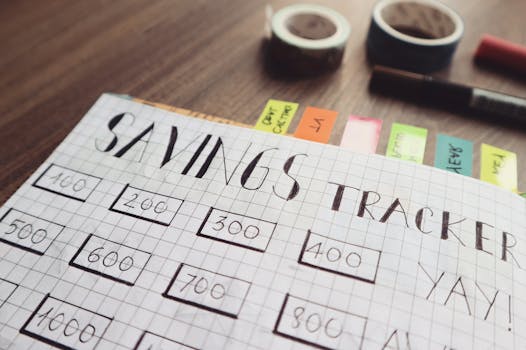
Display a simple graph or progress bar where you see it—phone wallpaper or fridge magnet. This daily cue serves as a reward, increasing motivation and buy-in on financial habits daily.
If you save for a specific goal—travel, car repair, or emergencies—rename your savings account in your app. Example: “Winter Trip” or “Peace-of-Mind Fund.” Direct language clarifies why each transfer matters.
Share milestones out loud: “I saved $50 more this week than last month.” By voicing achievements, you recognize momentum, which makes it easier to build additional financial habits daily with confidence.
Adapting Routines for Real-Life Changes: Staying Flexible
When your schedule shifts—like a new job, longer commute, or sudden bill—it’s vital to adapt routines without abandoning financial habits daily that keep you steady.
This section highlights ways to adjust routines with scripts, swaps, and tools that move with your changing needs rather than stay rigid.
Scripts for Addressing New Expenses
Any time a surprise expense pops up, say: “Pause, adjust my plan.” Get out your notebook or phone, and list which non-essentials can pause until balance returns.
If your income drops, apply the motto: “Stay the course, scale the steps.” Lower savings by $5 instead of stopping altogether. Progress—even if slower—is still progress toward financial habits daily.
Repeat aloud: “My priorities led this decision, not stress.” Taking a breath before reacting buys you time to survey options and keep the structure of existing financial habits daily intact.
Swapping Old Triggers for New Cues
If weekly meal prep falls by the wayside, set an alarm: “Set up lunchbox for tomorrow, five minutes now saves $15 later.” Visualize the reward—extra savings—before taking action.
Switching to public transport? Mark your calendar with a note: “Log fare and compare gas savings Sunday night.” Direct tracking lets you confirm benefit and encourages growth in financial habits daily.
Every time your life routine changes, write a single-sentence summary: “New shift = adjust lunch and ride.” Immediate journaling embeds the link, so financial habits daily feel adaptable, not forced.
Developing Accountable Habits with Support Systems
Commitments stick better when another person sees your progress. Accountability shifts financial habits daily from silent intentions to active follow-through with visible results.
You’ll discover ways to co-create routines with friends, use digital support groups, and make celebrations and setbacks equally visible for genuine improvement.
Building Peer Check-Ins
Text a friend every Sunday: “Reviewed my spending this week—here’s one thing I’m changing.” Invite the same reply; swapping feedback turns private goals into patterns you both can maintain.
Create a shared note labeled “Win of the Week.” Each person logs a single financial habit success, big or small, before Saturday night. This persistent log builds community, even at a distance.
Group check-ins—virtual or in person—reinforce accountability. As you tell others your plan out loud, your commitment to financial habits daily cements in both memory and practice.
Leaning on Digital Reminders for Consistency
Enable push notifications for weekly review reminders. These timed nudges transform intentions into predictable actions, making new financial habits daily feel easy to maintain.
Join chat groups or forums with dedicated finance channels. Post your monthly goal every first Monday and report progress the following week for ongoing motivation and social proof.
When you hit a setback, skip self-blame. Instead, post a constructive update—“Expense went over $40. Strategy for next week: pre-approve each purchase before checkout.”
Conclusion: Building Momentum for Enduring Results
Adding proven routines—regular reviews, mindful spending, visible savings—shapes financial habits daily that compound over time for true stability and satisfaction.
Even small changes pay off: each month, your comfort with money grows as systems remove friction and let you see real progress toward any goal.
Every routine described above can be copied, adapted, or reshaped to fit your life. Start now with one step—consistent actions build financial habits daily that last a lifetime.