Money & Practical Finance
How to Build Better Money Management Skills Over Time
Transform your money management skills with proven routines, actionable checklists, and real-life scenarios designed to help you control spending, track progress, and grow lasting financial confidence.
Advertisement
How to Build Better Money Management Skills Over Time
Getting your finances to work for you can feel like untangling a stubborn knot. Eventually, consistent effort turns small steps into lasting money management skills that pay off.
Everyone faces real-life moments that test their ability to control spending, plan for surprises, or stick to saving goals. Success lies in making these skills second nature.
Dive into practical guidance, useful checklists, and real-world examples that show you how to grow more confident and capable with money management skills over time.
Consistent Routines Anchor Daily Financial Practice
Building routines creates predictability in your money choices. When you choose one small action to repeat, it forms the backbone of your money management skills journey.
Daily check-ins with your spending or savings add up quietly. Over a month, this habit lets you notice patterns and make adjustments before problems snowball.
Setting a Five-Minute Daily Money Check
Every evening, glance over your digital banking app or cash receipts. Say out loud, “I spent $8 on lunch today.” This vocal habit builds awareness steadily.
As you swipe or track, write down one thing you did well: “Resisted extra coffee—saved $4.” Over time, this positivity makes your money management skills feel more rewarding.
Finish with one decision for tomorrow. For example, “I’ll pack my lunch instead.” The next day, check in and notice results. This immediate feedback loop boosts learning fast.
Weekend Financial Reset Ritual
Each Saturday or Sunday, carve out fifteen minutes to review your week’s spending. Mark a calendar or use a sticky note checklist: groceries, gas, eating out, treats.
If you see an overspend, jot why it happened: “Bought snacks due to hunger during errands.” Add a quick plan: “Pack almonds next week.”
When you repeat this for four weekends, you’ll spot your most common money management skills gaps. Use these notes to guide next month’s shifts.
| Routine | Action to Take | Outcome | Next Step |
|---|---|---|---|
| Daily Expense Check | List today’s purchases | Boosts spending awareness | Plan tomorrow’s priority |
| Weekly Review | Sort expenses into categories | Highlights problem spots | Adjust next week’s behaviors |
| Mid-Month Evaluation | Compare current spending to plan | Detects budget drift early | Refocus habits immediately |
| Monthly Budget Tweak | Refine category limits | Improves fit for your life | Record new budget rules |
| Quarterly Deep Dive | Reflect on what’s working | Identifies growth moments | Celebrate to solidify change |
Intentional Spending Decisions Reduce Regret
Understanding why you buy empowers sharper money management skills. Unplanned splurges pile up—setting guidelines means you’re less likely to regret your purchases later.
Treat your dollars as tickets for things you value. Spend deliberately, and every purchase will feel better earned. This mindset keeps impulse buys in check.
Spending Pause Technique: 24-Hour Delay
Before any non-essential purchase, say, “I’ll wait one day before buying.” Setting your phone’s calendar builds a buffer so urgency fades and clarity grows.
The next day, reassess out loud: “Do I still want this?” If yes, it’s more likely a thoughtful choice. If not, you’ve avoided a money drain.
- Set a clear budget before shopping—remind yourself of your upper limit, then bring only what you’ll spend to keep spending intentional and focused.
- Ask “Does this align with my priorities?” If not, leave the item. This aligns your choices with long-term goals for stronger money management skills.
- Use the ‘wishlist strategy’: snap a photo, add it to a digital list, and revisit it in a week. Delay removes emotion from purchasing habits.
- Break big purchases into smaller steps. For instance, research prices or compare features for a week before committing. This research period solidifies your resolve.
- Practice gratitude before spending. Reflect on an item you recently bought that added value. This keeps consumption tied to appreciation, not just the rush of buying.
Try keeping a “why log”—write down not just what you bought, but also how you felt before and after each purchase. This reveals spending patterns and emotional links.
Managing Peer Influence at Stores or Online
When friends encourage you to spend, script a simple phrase like, “I’m sticking to my plan today.” Repeat it when needed; your consistency builds confidence and boundaries.
Visualize your goal—saving for a trip or emergency fund. In the moment of pressure, picture your future benefit. This makes resisting temptation a proud choice, not a deprivation.
- Practice declining non-essential outings if your budget is tight; offer an alternative such as a potluck, which strengthens friendships while preserving your money management skills.
- Set social media notifications to limit; prevent exposure to constant deals, which can trigger unplanned spending or comparison. Discipline online makes offline boundaries easier.
- Celebrate small wins with accountability buddies. Check in weekly about choices and encourage non-spending rewards like walk or coffee catch-ups.
- Seek feedback from a trusted mentor if feeling uncertain. A second opinion on a big purchase can turn uncertainty into learning.
- Keep a photo of your financial goal—in your wallet or on your phone lock screen. Glancing at this before every purchase helps you pause for purpose.
The key takeaway: assertive, planned choices build your independence. Strong money management skills grow every time you make or resist a purchase for the right reason.
Tracking Progress Makes Growth Visible and Motivating
Recording results builds motivation and reveals how your money management skills have strengthened. Even a simple system will create visible wins and course-correct setbacks.
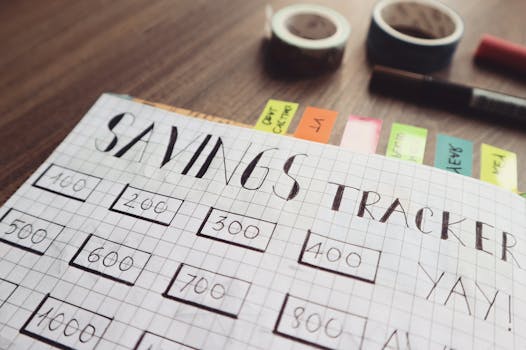
Choose a method—written logbook, app, or wall chart—and stick to it. When results are in front of you, habits shift from vague to concrete changes you control daily.
Designing a Personal Money Scoreboard
Create a sheet with weekly, monthly, and goal categories: “Cut coffee trips to three per week” or “Add $30 to savings every paycheck”—fill it in at the same time weekly.
Celebrate checkmarks with high-fives or a favorite homemade treat. Visual progress translates effort into pride and encourages repeat behavior, further cementing your money management skills.
Review your scoreboard every four weeks—to refresh goals or add new challenges. Adjustments remind you that setbacks just mean rerouting, not starting over.
Spotting Trends in Spending and Saving
Each quarter, export online bank data. Highlight three increases (“eating out”, “subscriptions”, “gas”) versus three decreases. Compare patterns using color-coded highlighters for clarity.
Write one lesson per color. For example, “Canceling a streaming service saved $14 per month.” Let observations drive tweaks, not guilt. Improvements add up as you revisit trends.
A ritual of review means you’re not waiting for big problems before adjusting. This continuous feedback protects and improves your money management skills naturally.
Flexible Budgeting Responds to Real-World Surprises
Adaptable budgets keep you resilient when circumstances shift. Instead of rigid categories, use broad guidelines and regular reviews to stay in control, even when life changes unexpectedly.
Think of money management skills like learning to cook: you use recipes but adjust seasoning to taste when needed—personalized and flexible.
Scenario: Handling a Sudden Car Repair
Imagine a $350 car bill. First, open your budget and mark non-essentials for the month—”pause café runs, delay new shoes.” Plug the new expense in, and adjust accordingly.
Calculate remaining funds, then update your plan on paper or in-app. Say, “I’ll spend $0 on takeout this week.” These real-time pivots keep you grounded and realistic.
At month’s end, review the event. What quick actions helped? Which habit will you keep to strengthen your money management skills for the future?
Checklist: Keeping Budgets Dynamic
List all regular expenses. Highlight which can flex (e.g., groceries, entertainment). Circle fixed essentials. Each month, revisit the list and adjust one flex item, not the entire plan.
If income drops, lower flex spending. If income rises, add to savings or debt payments immediately. These responsive shifts keep your money management skills current and agile.
Accountability Practices Cement New Money Habits
Enlisting accountability partners or external reminders ensures new routines become stickier and last longer. Consistent reminders keep your money management skills front and center.
Share goals with a friend. Set weekly calendar reminders. Use group chats for check-ins about spending, saving, or progress updates. Shared commitment multiplies individual growth.
Accountability Buddy Scripts
Text: “Checked my budget today, resisted a fancy coffee. Next week, let’s swap savings tips.” Keep messages brief and action-focused, not guilt-driven.
Schedule biweekly calls or coffee check-ins. Prepare to share one small win and one challenge each session. This face-to-face interaction brings honesty to the process.
Track shared goals on a joint document. Mark off milestones on-screen during a video meeting. Each checkmark deepens commitment to your new money management skills.
Using Digital Nudges Effectively
Set recurring app notifications: “Review spending at 7pm” daily. This automates reminders, reducing willpower strain during the week.
Use automatic savings transfers on payday as built-in, hands-off nudges—you’ll never forget to set money aside, and success requires less daily focus.
Combine tech reminders with personal touch: handwrite a post-it goal for your wallet, then let your app alerts reinforce it at home or out.
Lifelong Learning and Adaptation in Financial Growth
Continual learning ensures your money management skills mature with experience. No matter how much you know, there’s always another useful tip or perspective to try and apply.
Attend free webinars or browse personal finance blogs monthly. Try one improvement per quarter: “Try meal planning in May” or “Read a book about investing in July.”
Building a Learning Habit
Create a list of money topics: budgeting, credit, saving, insurance. Each month, search for one article, podcast, or video, and jot a key lesson with the date.
Join online communities that discuss money choices and share practical solutions. Post a question such as, “What’s the best way to track impulsive spending?” and apply helpful advice.
At year’s end, review your list—pick your top three aha moments. Share these with your accountability partner for added motivation and to compound learning.
Expanding Comfort With Risks
As you gain confidence, set aside a fixed experiment budget yearly—”$100 for trying a new investment app” or “$50 for financial coaching.” Record results and adjust next time.
Ask, “What worked for me? What felt risky? How did I manage uncertainty?” Concrete reflection builds resilience in your money management skills toolkit.
Choose to step out of your comfort zone, but always within self-imposed safe limits. This keeps exploration productive and reverses quickly if needed.
Reinforcing Progress and Enjoying Better Money Management
Each step you take reinforces that better choices are possible. Building strong money management skills doesn’t require perfection—just forward movement and gentle persistence.
Celebrate visible changes, like a bigger savings balance or fewer impulse buys. Notice those subtle mindset shifts that make future decisions less stressful by default.
Let your new habits ripple to family or friends. When others notice your calm or resourcefulness, share your routines and invite them to join you in building lifelong skills.